Back to school on a budget is absolutely doable: if you plan early, check what you already have, set a realistic budget that includes hidden costs, and shop with discounts and price research in mind, you can cover the school year without overspending. For families and privacy-conscious individuals who want to stay in control of school expenses, this is less about cutting corners and more about making better decisions before receipts pile up.
Back-to-school costs can hit cash flow hard, especially when supplies, clothes, tech, activity fees, and last-minute extras all land at once. This guide walks through how to audit existing supplies, budget for the full list, shop smarter for clothing and devices, teach kids a bit of financial literacy along the way, and track spending with a manual or hybrid tool like Safify so the season doesn't turn into a financial hangover.

Start with the Real Numbers: What Back-to-School Actually Costs
Parents plan to spend an average of $875 on back-to-school shopping this year, and the average cost per child is about $586, with total costs rising quickly for households shopping for multiple children. Back-to-school spending per household is estimated at $890, and that figure has increased by 37% over the past five years. For families with college students, the numbers jump further - families expect to spend $1,364.75 per child on college expenses, where even the Free Application for Federal Student Aid provides access to financial aid that many don't fully leverage.
Where does the money go? School supplies like notebooks, binders, and pencil boxes seem cheap individually but stack up fast. Clothing and new shoes often represent the largest single category - JLL data shows roughly $189 per child on clothes alone. Electronics follow closely: a graphing calculator for a high school plan can run $100+, and laptops or tablets push tech spending to $150–$300 per child. Then come extracurricular activities, transportation, and fees that many families forget to budget for entirely.
Costs shift dramatically by grade level. An elementary student might need basic items like classroom supplies, headphones, and a backpack. A high school student faces AP exam fees, lab costs, sports gear, and more fashion pressure. Planning your back to school budget in June or July - not late summer when prices spike and shelves thin - gives you better deals and smoother cash flow. A tool like Safify can help you track back to school spending by category in real time, so you're not blindsided by the total when the school year begins.
Audit What You Already Have Before You Shop
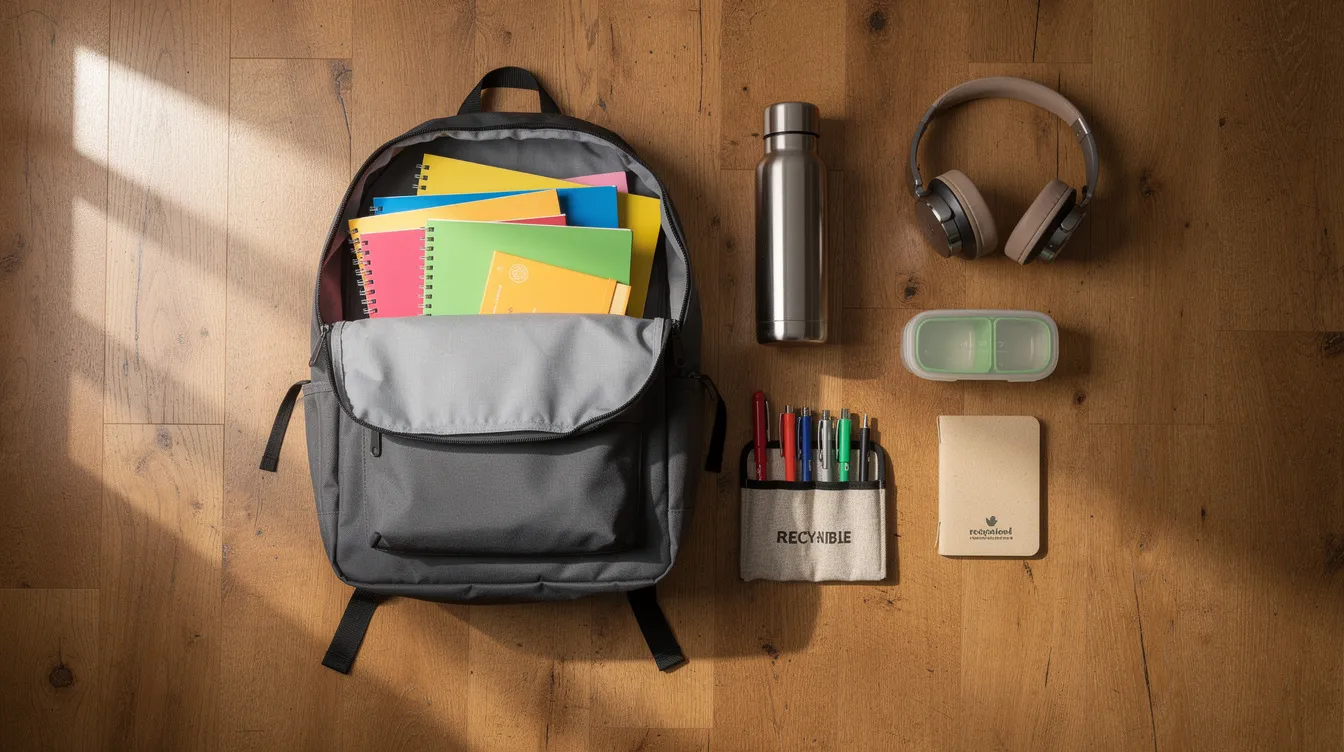
Before you spend money, spend thirty minutes doing a house audit. Pull out last year's backpacks, pencil boxes, binders, lunch containers, and other supplies. Check what's still usable. Many back to school items - scissors, rulers, folders, headphones, gym clothes - survive a full school year and just need a wipe-down or minor repair.
Reusing supplies can significantly cut back-to-school costs. Wash the backpack, sharpen existing pencils, relabel folders with fresh stickers, and replace only what's broken. Compare what you already own against the school's current supply list, which most districts release in July or early August. This single step can shrink your shopping list by 30–50%. Also, 21% of back-to-school shoppers seek free options for supplies, and many communities offer free backpacks and school supplies for students through local drives and community groups. Many parents seek free school supplies through community groups on Facebook Marketplace or Buy Nothing boards - it's worth checking before buying.
In Safify, log reused items as $0 in a dedicated back to school category. This visualizes your real savings against last year's costs and motivates you to keep reusing where it makes sense.
Build a Back-to-School Budget That Includes Hidden Back to School Expenses
Now turn your trimmed supply list into a realistic back to school budget - one that captures the school related expenses most parents overlook. Think sports fees, club dues, field trip deposits, instrument rental, school lunches, and transportation costs. PwC reports that recurring fall fees can hit $260 per month for some households once the new school year is underway.
Creating a dedicated budget helps manage back-to-school expenses effectively. Here's a quick example: a family with one kid in 3rd grade and one in high school might budget roughly $190 per child for clothing, $250 for tech (mostly the older student), $125 for supplies, and $100–$400 for extracurricular activities and fees. That's $500–$800 in must haves before the first day, with trendier clothes and non-urgent upgrades pushed to October.
The 50/30/20 budgeting rule helps categorize back-to-school expenses: 50% on needs (required supplies, shoes, fees), 30% on wants (brand-name clothes, a new outfit for the first day), and 20% toward savings or debt. Setting up a separate savings account helps manage school-related expenses over time. Community resources often provide scholarships and free supplies, and online platforms provide free educational resources for students that reduce what you need to buy.
Bucket your expenses into three tiers:
- Must-have before day one: required classroom supplies, shoes, core clothing, any tech on the syllabus
- Can wait until October: trend outfits, upgraded accessories, non-critical tech
- Nice-to-have: brand names, extras, premium upgrades
In Safify, create a "Back to School 2026" budget with category caps for supplies, clothes, and extracurricular activities. The app sends alerts before you overspend, so you can course-correct mid-season rather than react in September.
Make a Smart Back to School Shopping Game Plan (Lists, Timing, and Where to Buy)
Create a prioritized shopping list before stepping into your favorite stores or opening any shopping apps. Creating a prioritized shopping list helps avoid impulse purchases, which is where most families blow their budget.
Spread back to school shopping over June through September: pick up basic items and bulk supplies during July sales, grab core clothing in August when many retailers offer back-to-school clothing deals, and wait for trendier new clothes during fall sales like Labor Day or cold season clearances. Many retailers offer student discounts to reduce educational expenses, so ask before checkout. Don't forget promo codes - many stores publish them in weekly emails or apps.
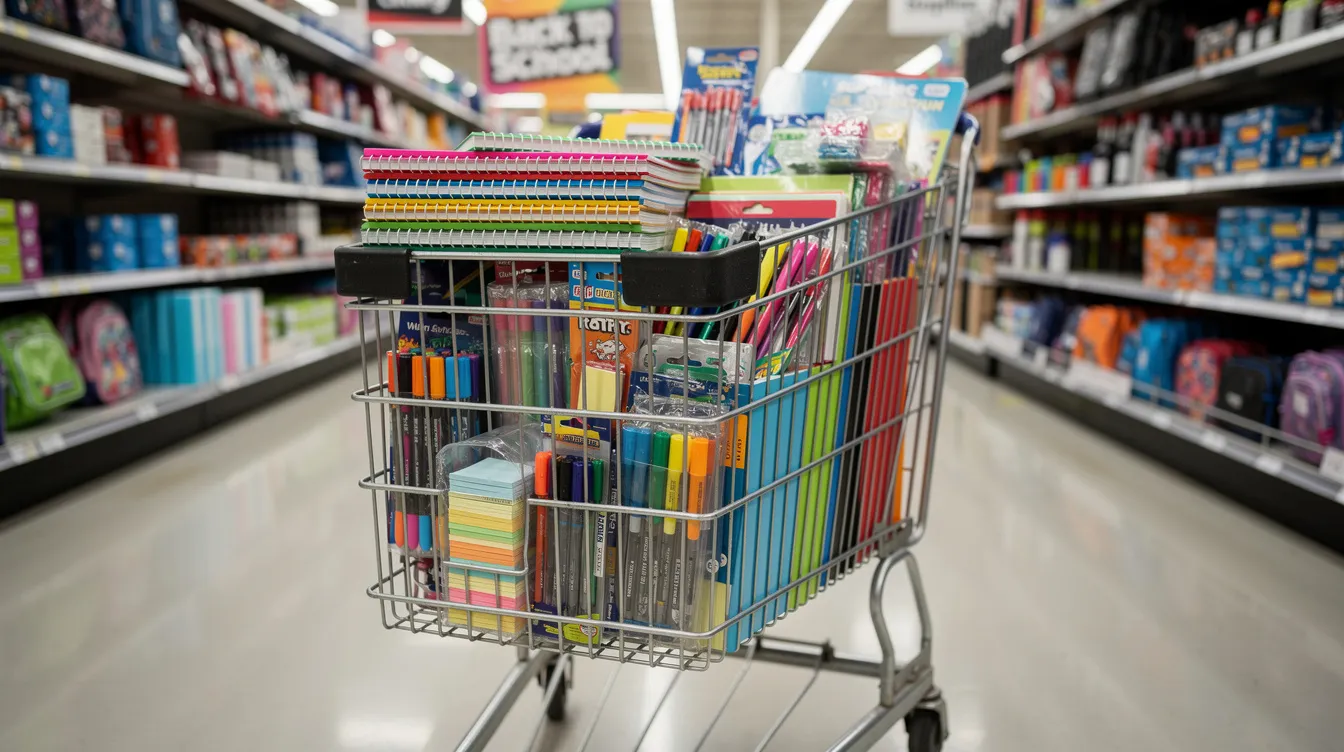
Buying in bulk can save money on school supplies and lower per-unit costs significantly, especially at warehouse clubs for things like notebooks, glue sticks, and other supplies. Dollar stores are ideal for pencils, erasers, and basic items. For durable backpacks or good quality shoes, big-box chains or online shopping during sales will serve you better in the long run. Pre-assembled supply kits can be time-savers when your school offers them, but compare prices - sometimes DIY is cheaper, especially when you reuse what you have.
Use Safify to log purchases by trip - a Target run, an online order, a thrift store haul. Over the season, you'll see which store consistently delivers the good stuff at the best value, helping you make informed decisions next year.
Use Research, Price Matching, and Tax Breaks to Cut Costs
It pays to research prices on key back to school items before buying. A graphing calculator might cost $30 less at one retailer versus another. Shoes and backpacks vary wildly by store. Comparing prices between retailers helps control back-to-school spending - use store apps and browser extensions to compare prices quickly across your options.
Many big-box chains and office supply stores will price match competitors. Bring up the lower price on your phone and ask. It takes ten seconds and can save you real money on every trip. Using cashback apps can enhance savings during shopping by stacking an extra 1–5% back on purchases you were already making.
Tax free weekends are one of the biggest structural advantages back to school shoppers have. Multiple states offer them between late July and mid-August, typically covering clothing, school supplies, and sometimes computers under certain price caps. Utilizing state-specific sales tax holidays can save money on school supplies, and tax-free weekends can save up to 7% on purchases - that's $60+ saved on a $875 spend. Stack a tax free weekend with store coupons or loyalty rewards for maximum impact, especially on a large purchase like a Chromebook for high school or a tablet for middle school.
In Safify, tag purchases made during the tax free weekend so you can quantify exactly how much you saved this back to school season versus full-price shopping.
Clothes, Tech, and Extracurriculars: Where to Spend vs. Save
Start with a minimalist "first week" wardrobe: one pair of everyday new shoes, one pair of gym shoes, and three to five mix-and-match outfits. That's just that - enough to get through the first week comfortably. You don't need a full closet overhaul before school starts.
About 19% of back-to-school shoppers buy secondhand items, and that number is growing. Thrift stores often have half-off days for discounts on jeans, hoodies, and sports gear. Consignment shops are great for finding used school supplies and gently worn clothes. Buying used items can significantly reduce back-to-school costs, especially for older kids who outgrow everything in months. Facebook Marketplace and local swap groups are goldmines. Many parents seek free school supplies through community groups. Purchasing used textbooks can significantly reduce education costs for high school and college students alike. Consider buying quality items that last to save money over time - cheap shoes that fall apart in six weeks are no good deal.
For tech, check whether school-issued devices cover your children's needs first. If not, refurbished laptops and tablets from reputable sellers with warranties are a smart play. Don't buy new if refurbished gets the job done.
Set a firm limit on extracurricular activities. One expensive travel sport might mean saying no to other clubs or paid lessons - and that trade-off is worth discussing openly. Track recurring monthly costs like club fees, instrument rental, and tutoring in Safify's recurring expenses feature so you see the true year-round impact on your budget, not just the upfront cost.
The American Opportunity Tax Credit can offset education expenses up to $2,500 for qualifying students and families - worth exploring if you have college-bound kids.

Turn Back-to-School into a Family Money Lesson
Back to school is one of the best real-world opportunities to teach financial literacy. Let kids as young as seven help sort the supply list into needs versus wants. They'll start seeing why a plain binder works just as well as one with a licensed character - and costs a fraction.
Try a "Budgeter in Chief" activity: give a middle school or high school student a fixed amount - say $75 - and let them lead one shopping trip. They choose the trade-offs, compare prices, and split costs between must haves and wants. Give older kids a clothing or school supplies allowance and let them decide between name brands and value options.
After shopping, sit down with Safify open and review the back to school spending together. Show kids where smart choices saved money. Set simple savings goals they can see in the app - like setting aside part of birthday money or summer job income toward next year's back to school expenses. Working part-time while studying reduces reliance on student loans for older students, and employers may offer tuition reimbursement to support employees returning to school - both worth mentioning to high schoolers thinking about their future.

Plan Ahead for Next Year (and Keep Your Budget on Track with Safify)
The smartest move you can make when the back to school season ends is to start saving for next year immediately. Treat school spending as an annual project, not an August emergency. Right after this season, review your totals and decide how much to start saving monthly for 2027.
Safify can automatically analyze this year's back to school categories, highlight where you overspent, and suggest realistic monthly savings targets. If you spent $875 total, that's roughly $73 per month set aside across the year - far less painful than a single August hit. Create a dedicated "Back to School 2027" savings goal and track progress, adjusting when incomes or school needs change.
Log every receipt via photo or voice during the season so next year's budget is built on accurate data, not guesses. When you can see exactly what you spent on clothing versus supplies versus fees last year, you plan smarter this year. That's the advantage of consistent tracking.
Families don't have to dread back to school expenses. With early planning, smart shopping, and a tool like Safify to keep everything visible, you stay in control of your money instead of chasing it.
Download Safify, start your back to school budget today, and walk into the new school year knowing exactly where every dollar went - and where it's going next.